Is your child's playroom a constant source of clutter and chaos? Keeping this space organized can often feel overwhelming for both parents and kids. This guide offers seven innovative organization ideas that will make tidying up feel like an enjoyable game instead of a chore.
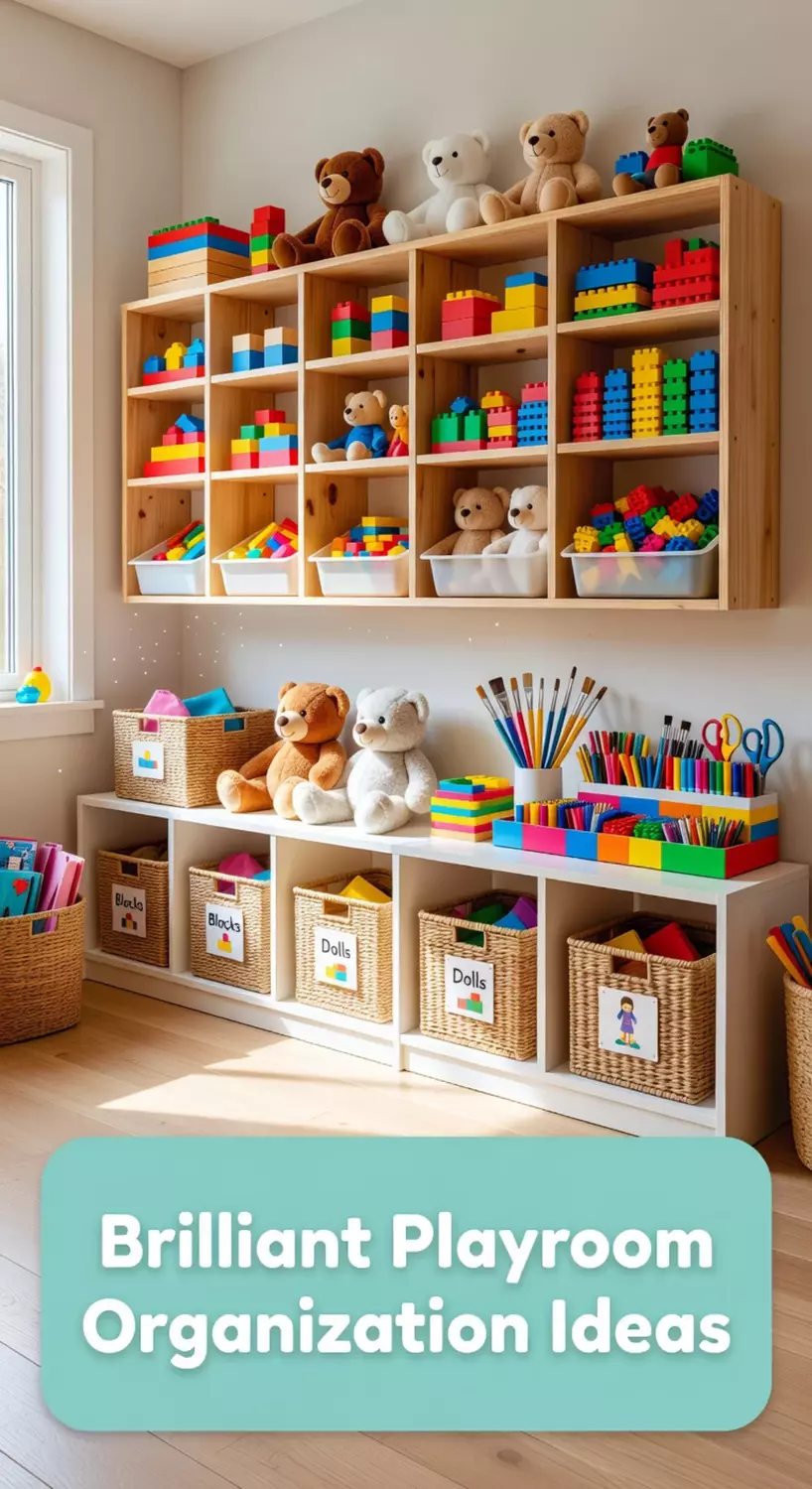
Playroom Open Bin Shelf Unit That Makes Every Toy Category Its Own Visible Home
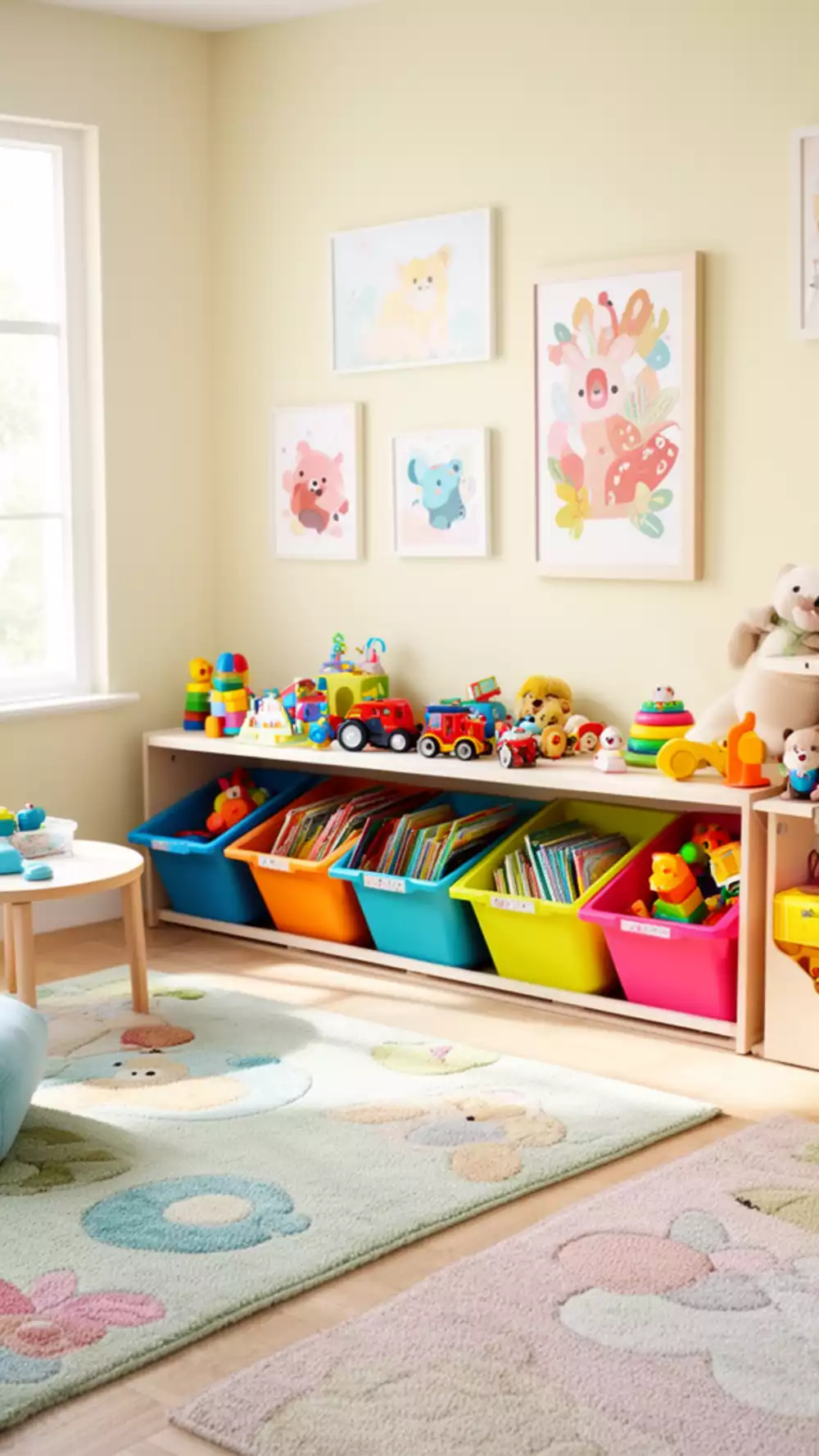
Transform cluttered chaos into organized joy with open bin shelves!
As an Amazon Associate I earn from qualifying purchases. Affiliate links may earn me a commission at no extra cost to you.
The Impact of Open Bin Shelf Units: Open bin shelf units are a game-changer for keeping playrooms organized. They allow kids to easily spot their toys and put them away, fostering independence and responsibility. By ensuring that every toy has a visible home, children can learn to take care of their space more efficiently, reducing the dreaded cleanup time.
What People Rarely Consider: Many parents underestimate the height of these shelves. If they’re too high, children will struggle to reach their toys, leading to frustration. For example, a shelf height of 24-30 inches is ideal, allowing kids to grab and stash toys without help. Choosing units that are within their reach can transform tidy-up time from a chore into a fun task!
- Opt for open bin shelves around 24-30 inches high for easy access.
- Choose colorful bins that match the decor, making organization feel fun.
- Check out this Toy Storage Organizer that combines style and function!
⭐ Top Products for Open Bin Shelf Unit
✨ Editor's Pick
Toy Storage Organizer with Bookshelf
★★★★★
Our Score: 5.0/5
This versatile organizer is perfect for keeping all toys and books visible and accessible.
View on Amazon →4-Tier Bamboo Ladder Shelf
★★★★½
Our Score: 4.5/5
This stylish shelf is perfect for various storage needs while adding elegance to the playroom.
View on Amazon →6-Cube Storage Organizer
★★★★☆
Our Score: 4.0/5
This modular shelving allows for a customizable layout, adapting to different toys easily.
View on Amazon →💡 Quick Tips:
- Set the right height: Aim for shelves around 24-30 inches for easy access.
- Color matters: Use bright bins to make organization playful and engaging.
- Involve your kids: Let them pick and organize their toys to encourage ownership.
Playroom Labelled Basket Row with Picture Labels That Even Toddlers Can Follow
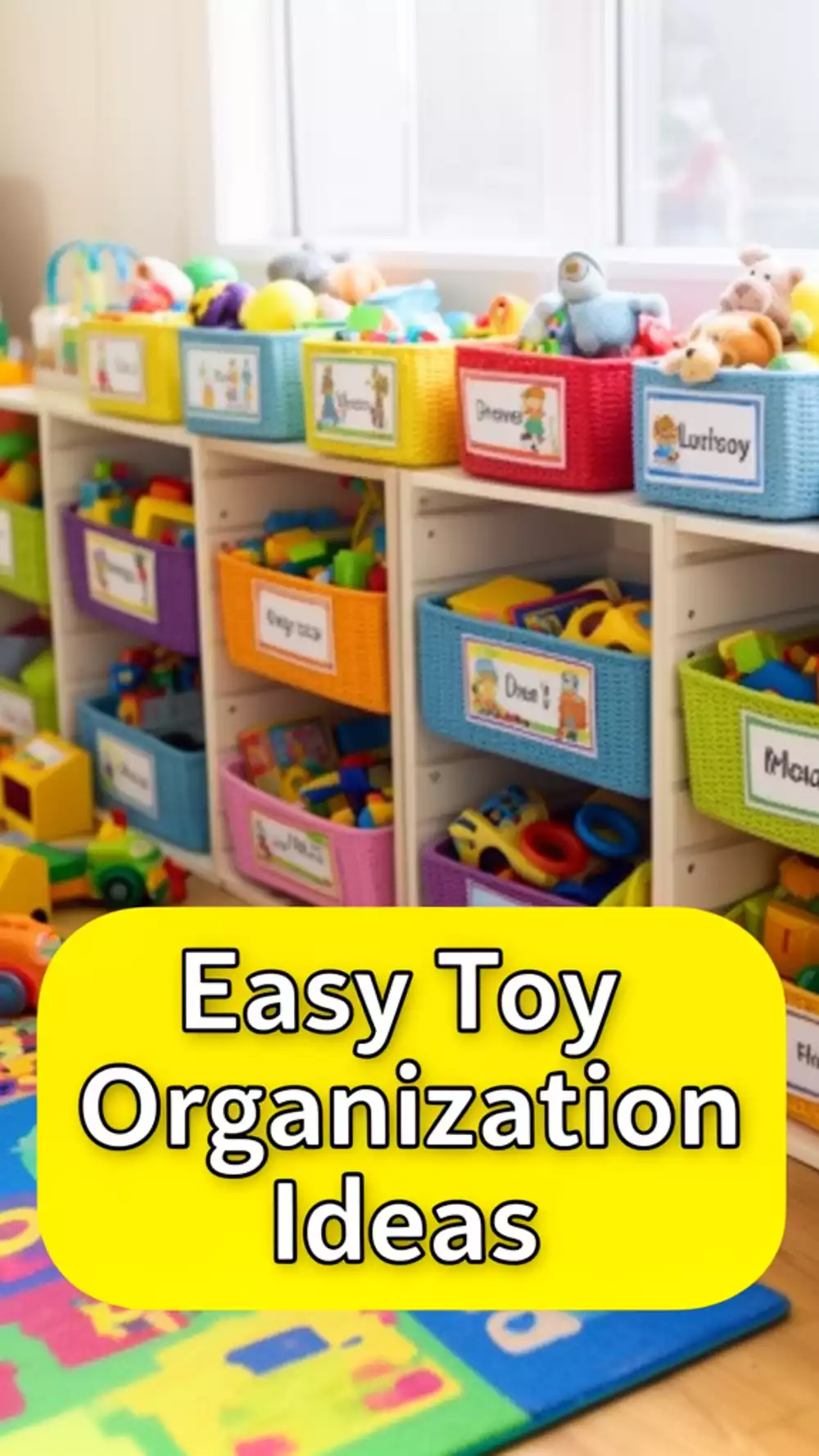
Transform tidy-up time into fun with easy-to-follow labels!
How Labeled Baskets Enhance Organization: Using labeled baskets helps young children easily identify where their toys belong, making cleanup a breeze. Picture labels paired with text allow toddlers to participate in organization, fostering independence and ownership. This system not only reduces clutter but also promotes a sense of accomplishment when they successfully tidy up.
A Subtle Issue That Adds Up: Many parents overlook the power of color coding in basket organization. For example, using vibrant colors can capture a child's attention and help them remember which basket holds what. This strategy is often missed when adults assume children can grasp organization without visual cues, but playful, thematic colors create an engaging cleanup experience.
- Invest in woven storage baskets with picture labels for a stylish toy solution.
- Use bright colors for baskets to make organization visually appealing and easy to understand.
- Involve your child in choosing the labels to foster their sense of ownership and responsibility.
⭐ Top Products for Labelled Storage Baskets
✨ Editor's Pick
Woven Storage Baskets Set of 4
★★★★★
Our Score: 5.0/5
These beautifully woven baskets are perfect for organizing toys and clothes.
View on Amazon →Fabric Storage Baskets 4-Pack
★★★★½
Our Score: 4.5/5
Ideal for organizing small items around the house with its narrow design.
View on Amazon →Large Fabric Storage Baskets 2-Pack
★★★★☆
Our Score: 4.0/5
These stylish baskets are perfect for organizing larger items in closets.
View on Amazon →💡 Quick Tips:
- Involve Your Child: Let them help choose the basket themes and labels together.
- Keep It Colorful: Use bright, distinct colors for baskets to capture their attention.
- Update Labels Regularly: Change labels as interests evolve to keep your child engaged in tidying up.
Playroom Art Supply Caddy on a Low Shelf That Makes Creativity Easy to Access
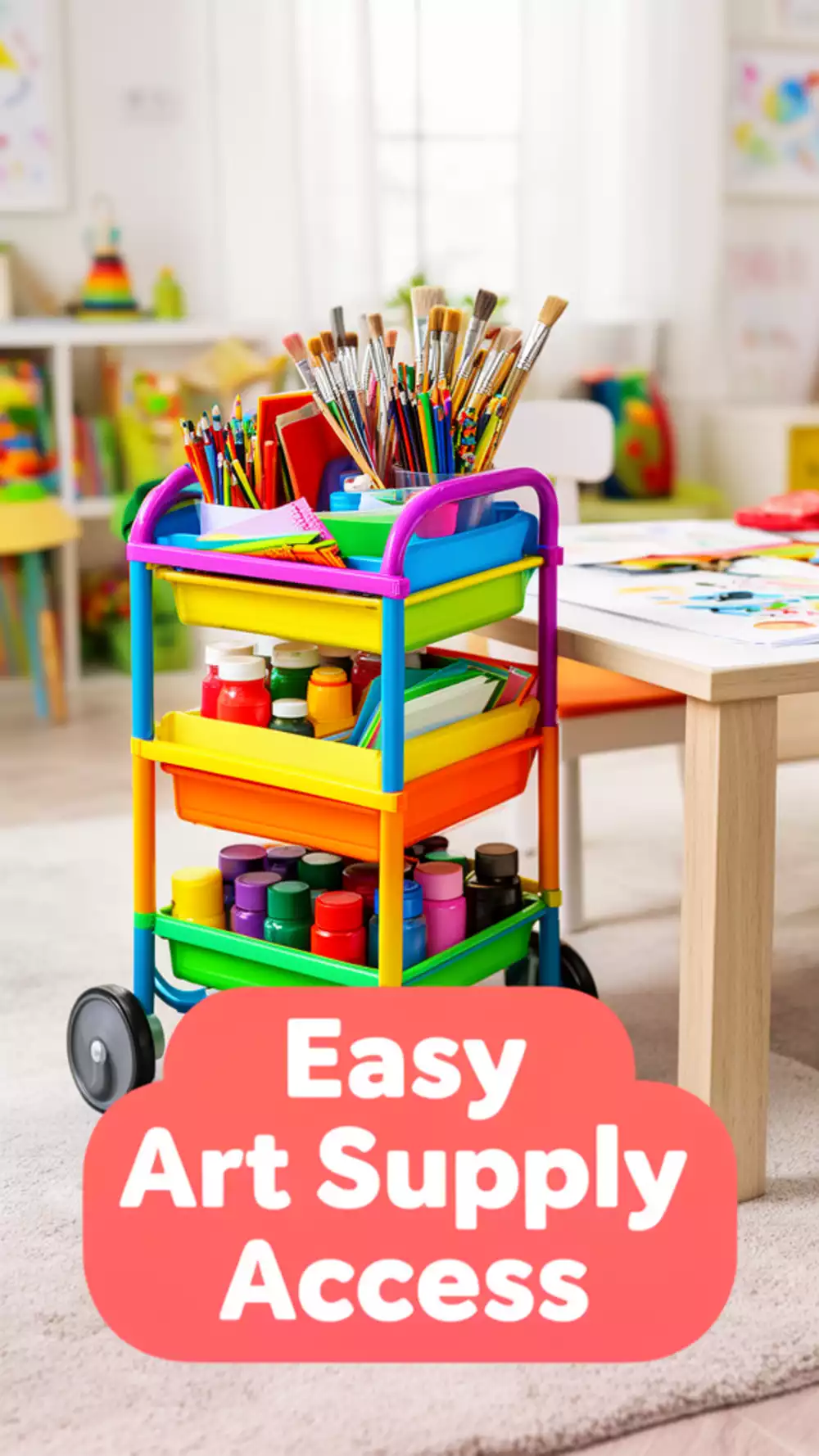
Empower your child's creativity with easy access to art supplies.
How an Art Supply Caddy Promotes Creativity: Having an accessible art supply caddy on a low shelf makes it easy for kids to grab what they need to create. This setup fosters independence and ensures they can express their creativity without waiting for help. By keeping supplies organized, you also prevent messes and loss of materials, which means more spontaneous art sessions!
What People Rarely Consider: Many parents underestimate the impact of involving kids in organizing their art supplies. When kids help choose and arrange supplies, it instills a sense of responsibility. For example, letting them pick their favorite colors or materials encourages ownership and makes them more likely to keep things tidy after use.
- Use a rolling art supply caddy to keep materials mobile and accessible.
- Involve kids in selecting versatile supplies that cater to various ages.
- Designate a specific low shelf or table for easy access to art tools.
⭐ Top Products for Art Supply Caddy
Clear Storage Containers 18-Pack
★★★★½
Our Score: 4.5/5
Stackable containers keep art supplies organized and visible, enhancing creativity during play.
View on Amazon →Airtight Acrylic Paint Palette
★★★★☆
Our Score: 4.0/5
This compact palette is perfect for mixing and storing paint, keeping supplies organized.
View on Amazon →✨ Editor's Pick
3-Tier Rolling Storage Organizer
★★★★★
Our Score: 5.0/5
This versatile rolling cart makes art supplies easily accessible for creative fun.
View on Amazon →🚀 Quick Tips:
- Choose a rolling caddy: It allows easy mobility for art supplies during creative sessions.
- Involve kids in selection: Let them choose their favorite art supplies to encourage responsibility.
- Designate a low shelf: Ensure art supplies are at an accessible height for children to reach easily.
The Playroom Clean-Up Song Timer Trick That Makes Tidy-Up Time Feel Like a Game
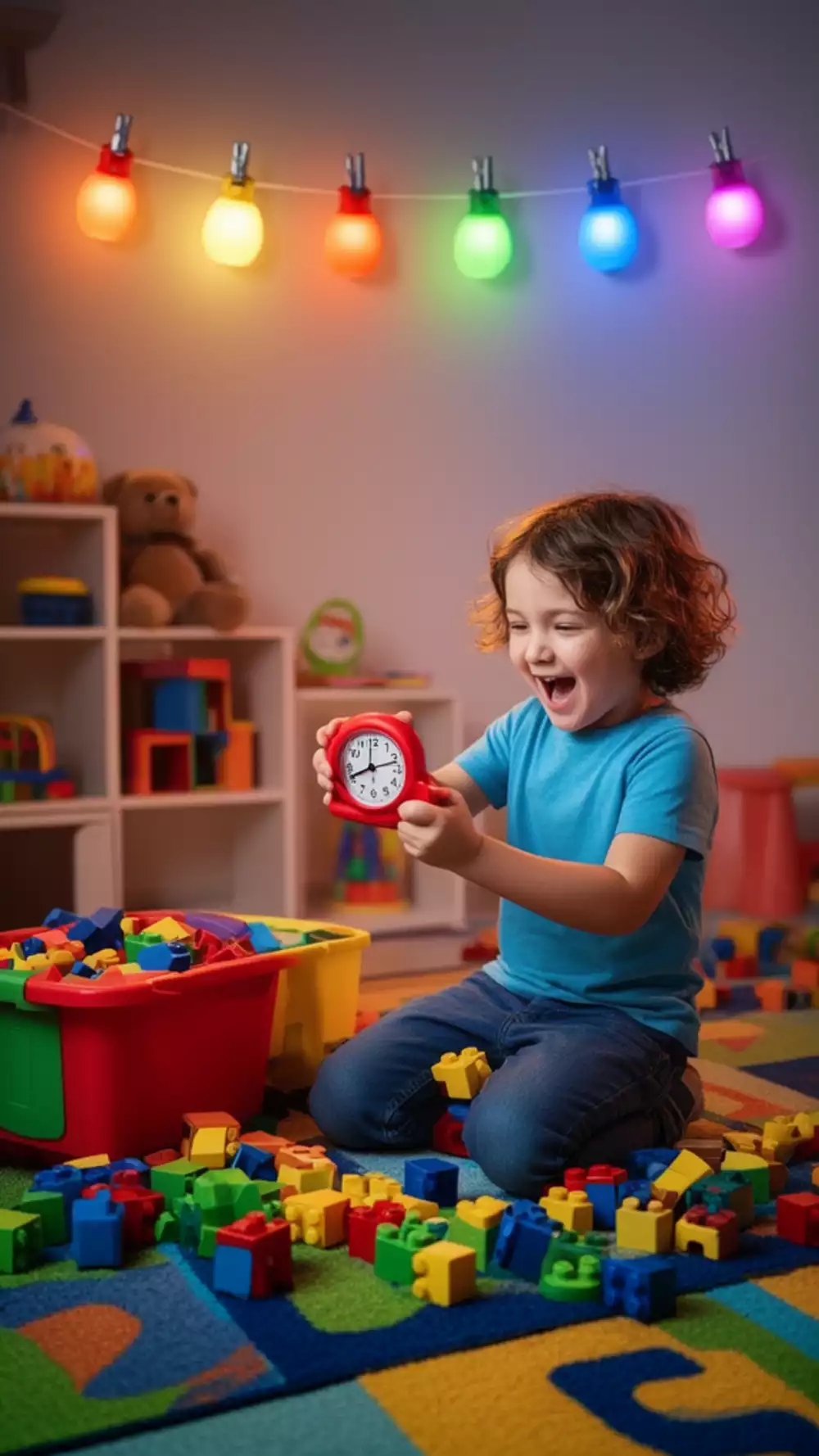
Transform tidy-up time into a fun game with music and timers!
How Using a Clean-Up Song Timer Makes Tidying Up Fun: What if cleanup could be as fun as playtime? By incorporating a timer and a catchy clean-up song, you can turn tidying into an engaging game. This method not only keeps children motivated but also establishes a routine that makes cleanup easier and more enjoyable.
A Subtle Issue That Adds Up: Parents often overlook the power of music during cleanup time. A familiar song can create a sense of urgency and excitement, while a timer adds a competitive element. For example, using a timer set for five minutes can encourage children to race against the clock, making the task feel less like a chore and more like an adventure.
- Choose a fun, upbeat cleanup song that your kids love.
- Use a clip on light with a timer to motivate them during cleanup.
- Set the timer for 10 minutes and see how much you can tidy up together!
⭐ Top Products for Clean-Up Game
✨ Editor's Pick
Clip on Light with Timer
★★★★★
Our Score: 5.0/5
This eye-caring lamp motivates cleanup with its timer feature, making it fun for kids.
View on Amazon →LED Desk Lamp with Timer
★★★★½
Our Score: 4.5/5
This stylish lamp keeps the atmosphere bright while helping kids tidy up with a timer.
View on Amazon →UV Toothbrush Cleaner with Timer
★★★★☆
Our Score: 4.0/5
This innovative holder promotes hygiene and makes cleanup routines more enjoyable for kids.
View on Amazon →🚀 Quick Tips:
- Choose a Cleanup Song: Pick an upbeat, favorite tune to energize cleanup time.
- Set a Fun Timer: Use a colorful timer to create excitement and urgency during cleanup.
- Celebrate Completion: Have a mini dance party after cleaning to reinforce the fun of tidying up.
You're doing wonderfully, and every step towards a more organized playroom truly makes a difference. Creating a space where kids can thrive doesn't require perfection, just thoughtful, consistent effort. Focus on sustainable changes that naturally fit into your family's rhythm.
✨ Simple Reminders:
- Consider how visual cues can guide even the youngest children.
- Involve your children in the process to foster ownership and pride.
- Remember that less visual clutter can lead to more focused play.
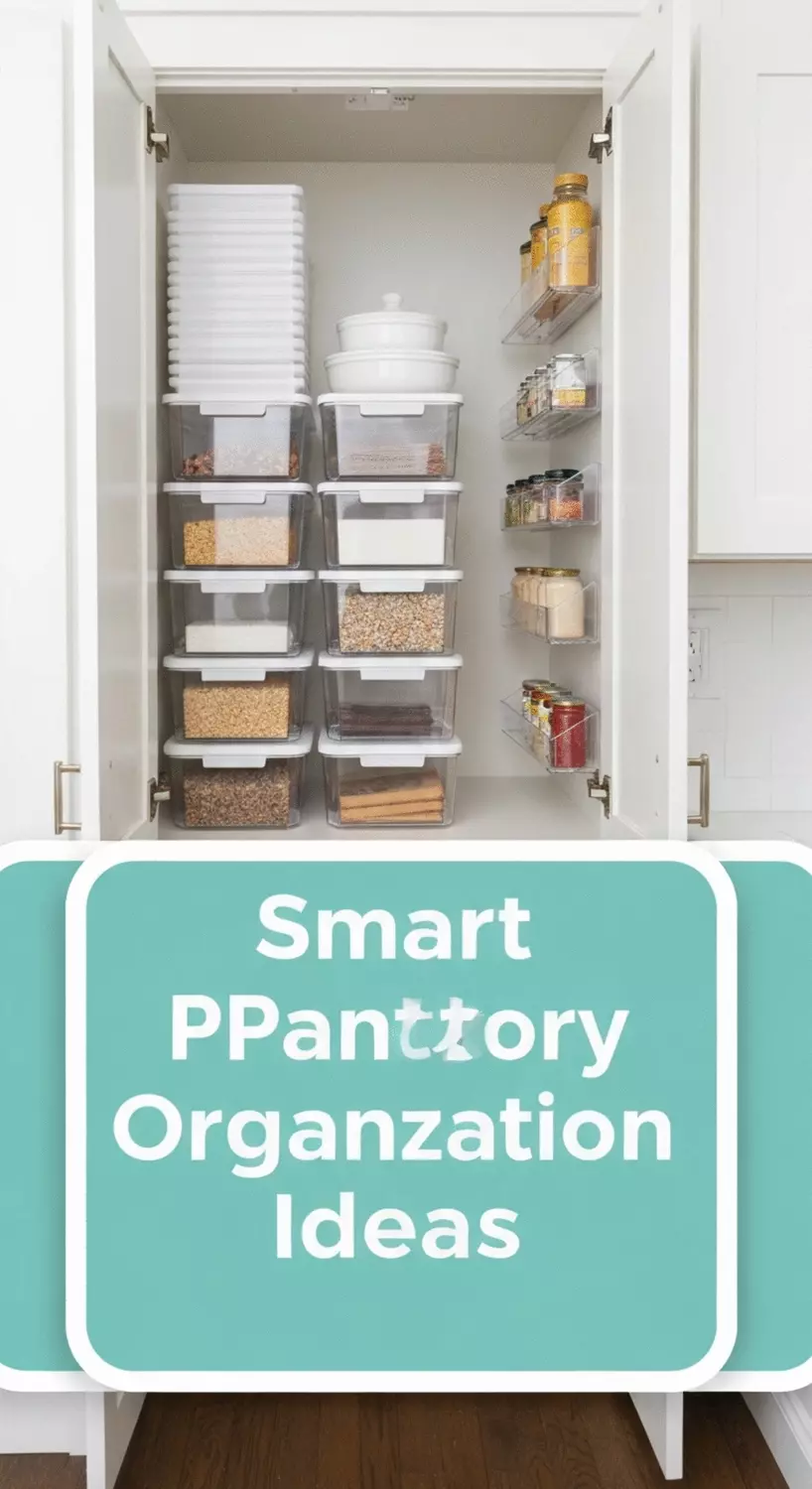
- Think about how these ideas can also apply to smart pantry organization.
Playroom Forward-Facing Book Display Shelf That Makes Choosing a Book Instant
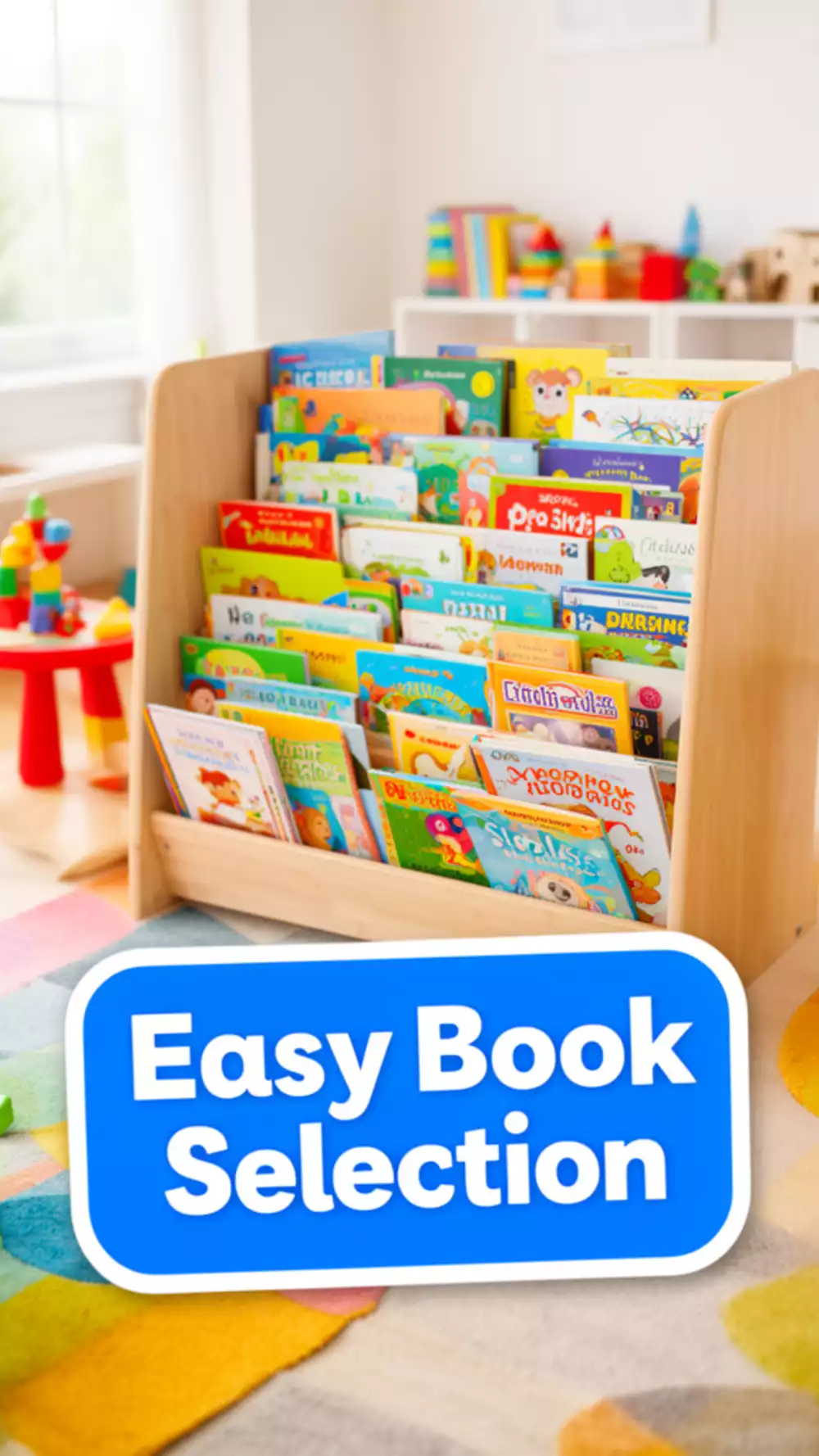
Foster a love for reading with vibrant, accessible book displays.
Why Forward-Facing Book Displays Matter: Forward-facing book displays allow children to easily see the covers of their books, making the selection process quick and fun. This visibility not only enhances their independence in picking out a story but also encourages a genuine love for reading by showcasing a variety of genres in an inviting manner.
An Easy Detail to Overlook: Parents often underestimate the impact of rotating book selections on engagement. Keeping a diverse range of books visible can keep excitement alive around reading. For instance, regularly swapping in seasonal themes or favorite characters can draw kids back to the shelf, making them eagerly anticipate new stories.
- Choose a forward-facing bookshelf like the Kids Bookshelf 4-Tier Organizer to maximize visibility.
- Rotate your book selection regularly to maintain interest and excitement.
- Make the reading area cozy with a small rug or bean bags to encourage a love of books.
⭐ Top Products for Book Display Shelf
3-Tier Industrial Bookcase
★★★★½
Our Score: 4.5/5
This stylish bookcase adds rustic charm while keeping books easily accessible for kids.
View on Amazon →✨ Editor's Pick
Kids Bookshelf 4-Tier Organizer
★★★★★
Our Score: 5.0/5
This front-facing bookshelf allows kids to easily access books, promoting a love for reading.
View on Amazon →3 Sets Floating Wall Shelves
★★★★☆
Our Score: 4.0/5
These decorative floating shelves are perfect for showcasing books and adding visual interest.
View on Amazon →🚀 Quick Tips:
- Rotate book selections: Keep excitement alive by swapping books every few weeks.
- Group by genre: Organize books into categories like adventure, animals, or fairy tales for easy browsing.
- Incorporate cozy reading spots: Add cushions or a small rug to make reading more inviting and comfortable.
Playroom Toy Rotation System Using Two Labelled Bins That Keeps the Room Fresh
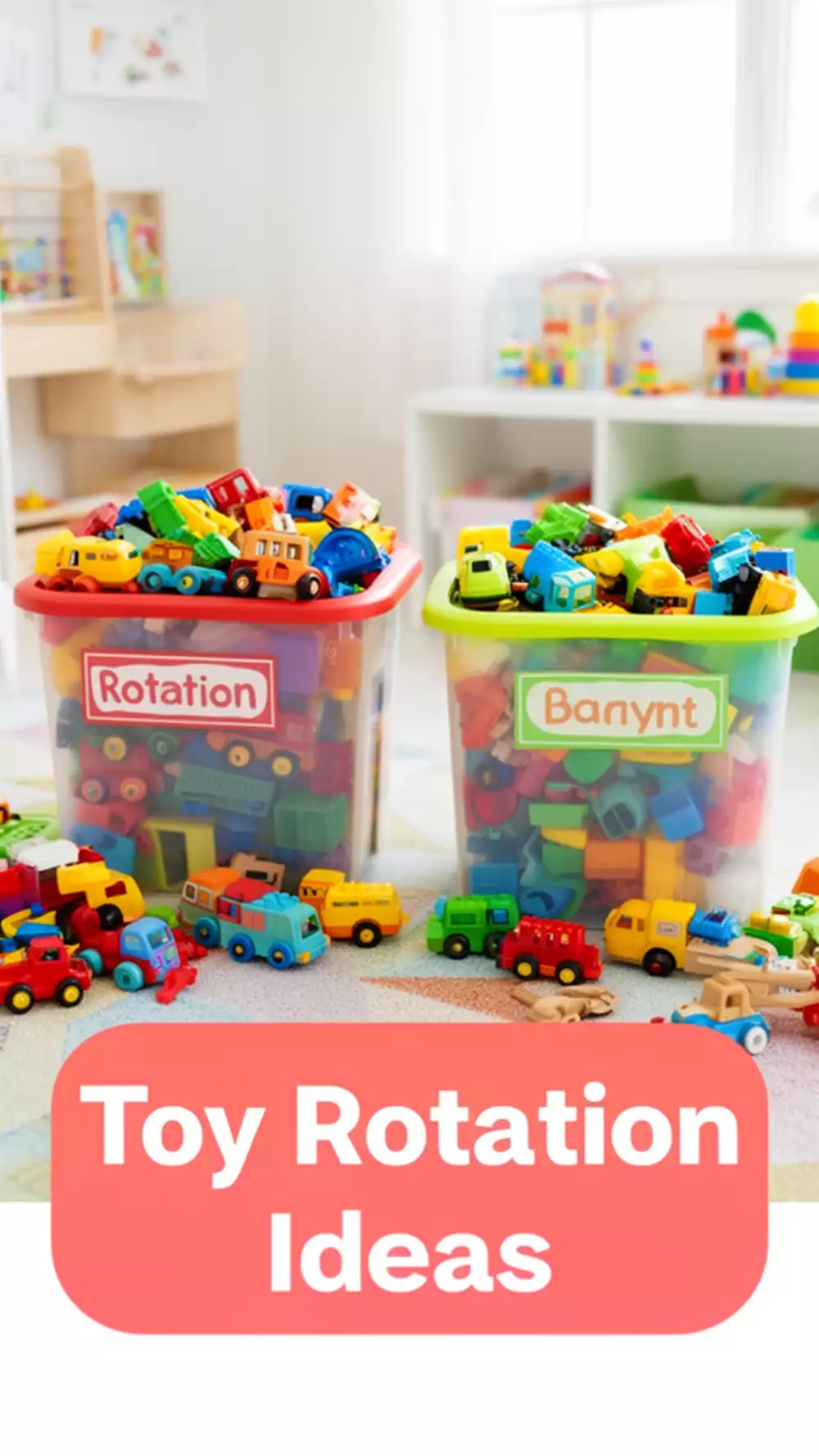
Keep playtime exciting with rotating toys for endless fun!
Understanding the Toy Rotation System: A toy rotation system encourages creativity and helps avoid the chaos of too many visible toys. Using two clearly labeled bins—one for “Active Toys” and another for “Quiet Toys”—makes it easy for kids to know what’s available, promoting independent play and tidiness.
What People Rarely Consider: Many parents underestimate how overwhelming too many toys can be for children. When faced with excessive options, even fun toys can become unappealing. For example, a child might have a favorite puzzle hidden among a pile of toys, leading to frustration instead of engagement. Simplifying selections can foster more focused and imaginative play.
💭 Important to Remember:
Consider involving your child in the rotation process. When they help decide which toys go in and out, they feel a sense of ownership that enhances their interest in playing with the selected toys.
- Label bins clearly to help children identify their toys easily.
- Rotate toys every few weeks to maintain excitement and engagement.
- Use a freestanding toy organizer to keep things tidy while toys dry.
⭐ Top Products for Toy Rotation System
Cotton Rope Storage Baskets 3-Pack
★★★★½
Our Score: 4.5/5
These stylish baskets provide great storage for various toys, keeping playtime organized and fresh.
View on Amazon →4 Tier Stackable Storage Bins with Lids
★★★★☆
Our Score: 4.0/5
These versatile bins help maintain order by rotating toys, making playtime engaging and fun.
View on Amazon →✨ Editor's Pick
Freestanding Toy Organizer with Drying Rack
★★★★★
Our Score: 5.0/5
This innovative organizer keeps toys dry and accessible, making rotation effortless and playtime fresh.
View on Amazon →💡 Quick Tips:
- Label bins clearly: Use fun colors or pictures to make identification easy.
- Rotate toys every few weeks: Keep playtime exciting by mixing up what's available.
- Involve your child: Let them help choose which toys to rotate for added excitement.
Why a Playroom with Fewer Visible Toys Gets Played with More Than a Full Room Does
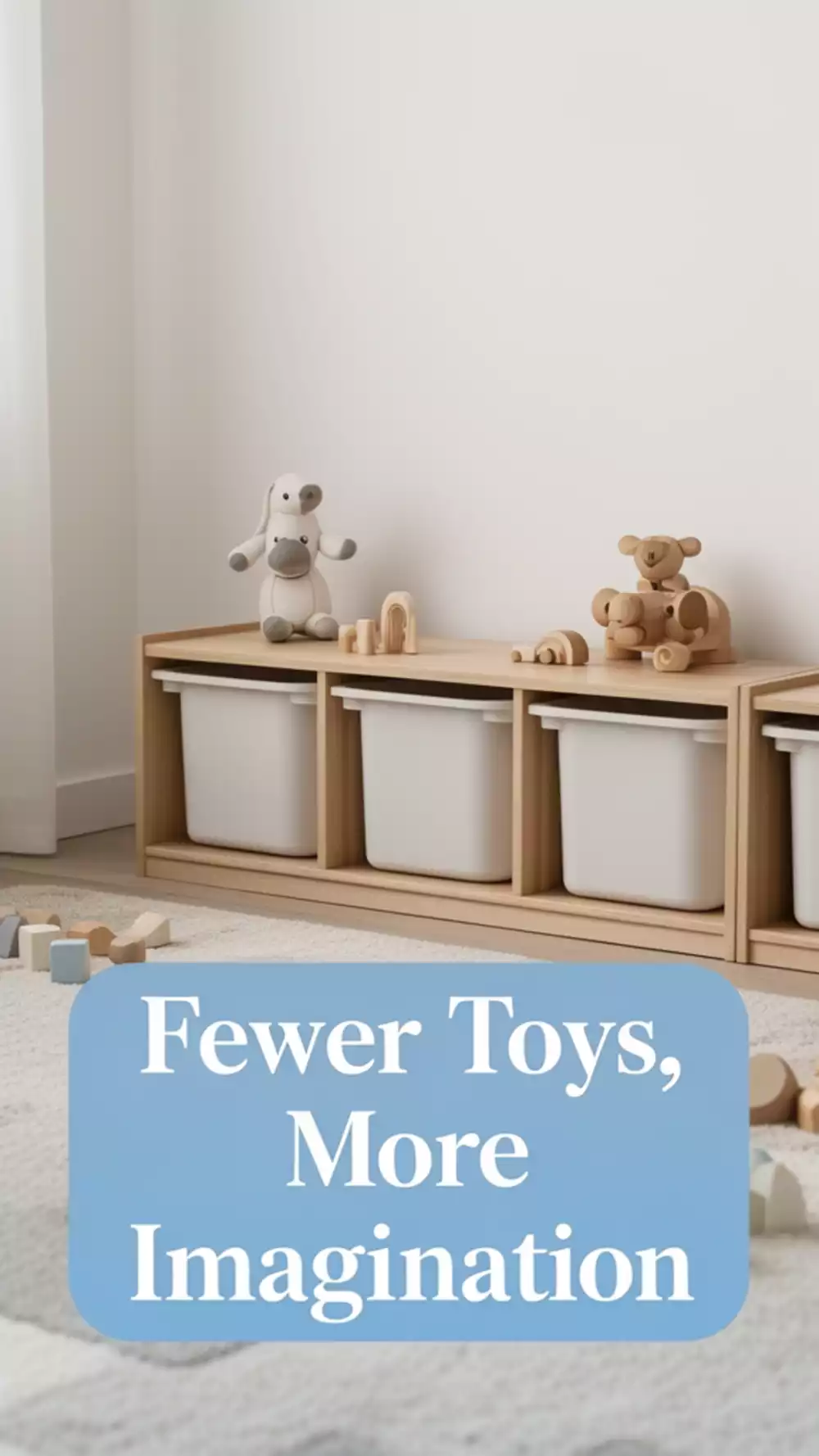
Embrace a tidier space for enhanced creativity and focused fun.
Why a Minimalist Approach Matters: Did you know that less clutter can lead to more creative play? Research shows that when children have access to fewer toys, they engage in deeper, more imaginative interactions. By providing a calm and organized environment, kids can focus better and fully explore their creativity without the overwhelming distraction of too many options.
An Easy Detail to Overlook: One common mistake is assuming that more toys mean more fun. For instance, a playroom stuffed with toys may seem enticing, but in reality, kids may struggle to choose what to play with and get easily overwhelmed. Regularly assessing and decluttering toy collections is key. Consider donating or rotating toys to keep the play experience fresh and engaging, allowing for quality over quantity.
⭐ Top Products for Playroom Organization
✨ Editor's Pick
Toy Storage Organizer with Bins
★★★★★
Our Score: 5.0/5
This multifunctional organizer with bins keeps toys easily accessible and encourages tidy play.
View on Amazon →Large Toy Storage Box for Kids
★★★★½
Our Score: 4.5/5
This spacious toy bin helps keep play areas clutter-free and well-organized.
View on Amazon →Collapsible Extra Large Toy Box
★★★★☆
Our Score: 4.0/5
This stylish toy chest provides efficient organization for kids’ toys and essentials.
View on Amazon →💡 Key Steps to Follow:
- Assess toy usage: Regularly evaluate which toys spark joy and creativity in your child.
- Rotate toys: Keep playtime engaging by periodically swapping out toys to refresh the collection.
- Involve your child: Let your little one help in the decluttering process to make it fun and collaborative.
You now have seven practical ways to transform your playroom into a haven of creativity and independence for your children. Pick one or two that resonate most, and allow yourself the freedom to implement them at your own pace.
Your playroom will gradually become a place where joy and organization coexist beautifully, enhancing both playtime and cleanup. Embrace the journey of making your space a functional and inviting sanctuary for your little ones.